Working With ADHD Symptoms
A Different Way of Understanding ADHD Symptoms
BWRT takes a different perspective.
Within the BWRT model, many ADHD symptoms can be understood as automatic survival responses generated by older parts of the brain. Characteristics such as high alertness, rapid scanning of the environment, quick reactions to change and intense focus on matters of interest may once have been valuable survival traits.
The challenge is that behaviours that were useful in a hunter-gatherer environment can become problematic in today’s world of deadlines, schedules, meetings and prolonged concentration.
Rather than focusing solely on conscious strategies, BWRT works with the automatic responses that occur before conscious thought. The aim is to help the brain develop more useful and flexible patterns of responding
How the ADHD Symptoms Programme Works
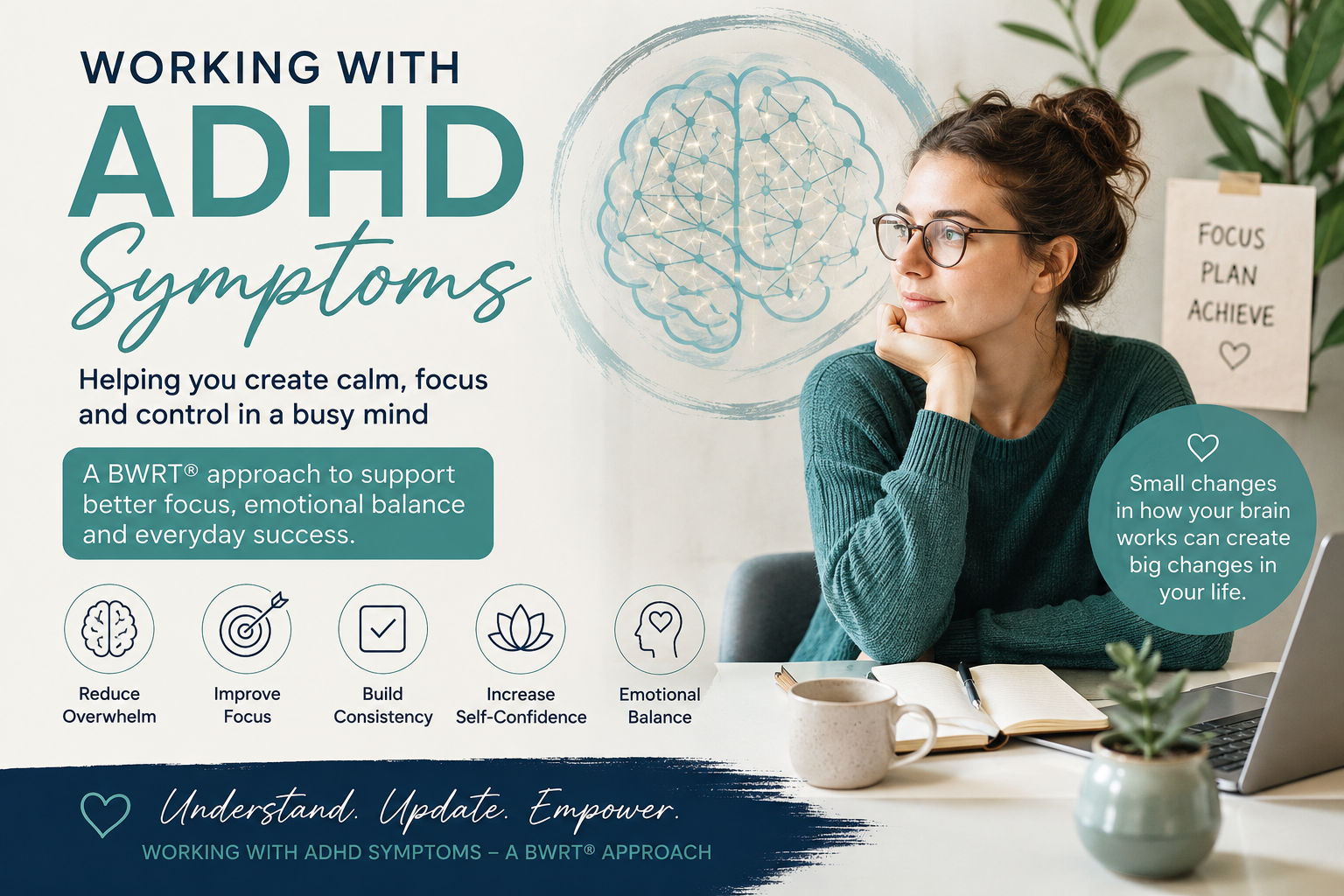
The programme uses a series of specialist BWRT processes designed to address different aspects of ADHD symptom patterns.
Depending on the individual, this may include:
Reducing Resistance to Change
Many people have spent years adapting to their symptom patterns. The brain can sometimes treat these familiar patterns as a form of protection. Initial work focuses on reducing resistance to change and creating readiness for new ways of functioning.
Updating Old Survival Responses
Specialist BWRT protocols can be used to help the brain accept focus, concentration and task completion as normal and safe behaviours rather than activities that trigger distraction or avoidance.
Strengthening Focus and Self-Direction
Additional processes help individuals develop a stronger sense of internal control, making it easier to stay on task, maintain attention and follow through on important goals.
What Results Can You Expect?
Instead, the goal is to help reduce the impact of symptoms such as:
- Distractibility
- Procrastination
- Impulsivity
- Emotional reactivity
- Difficulty completing tasks
- Feeling overwhelmed
- Poor concentration
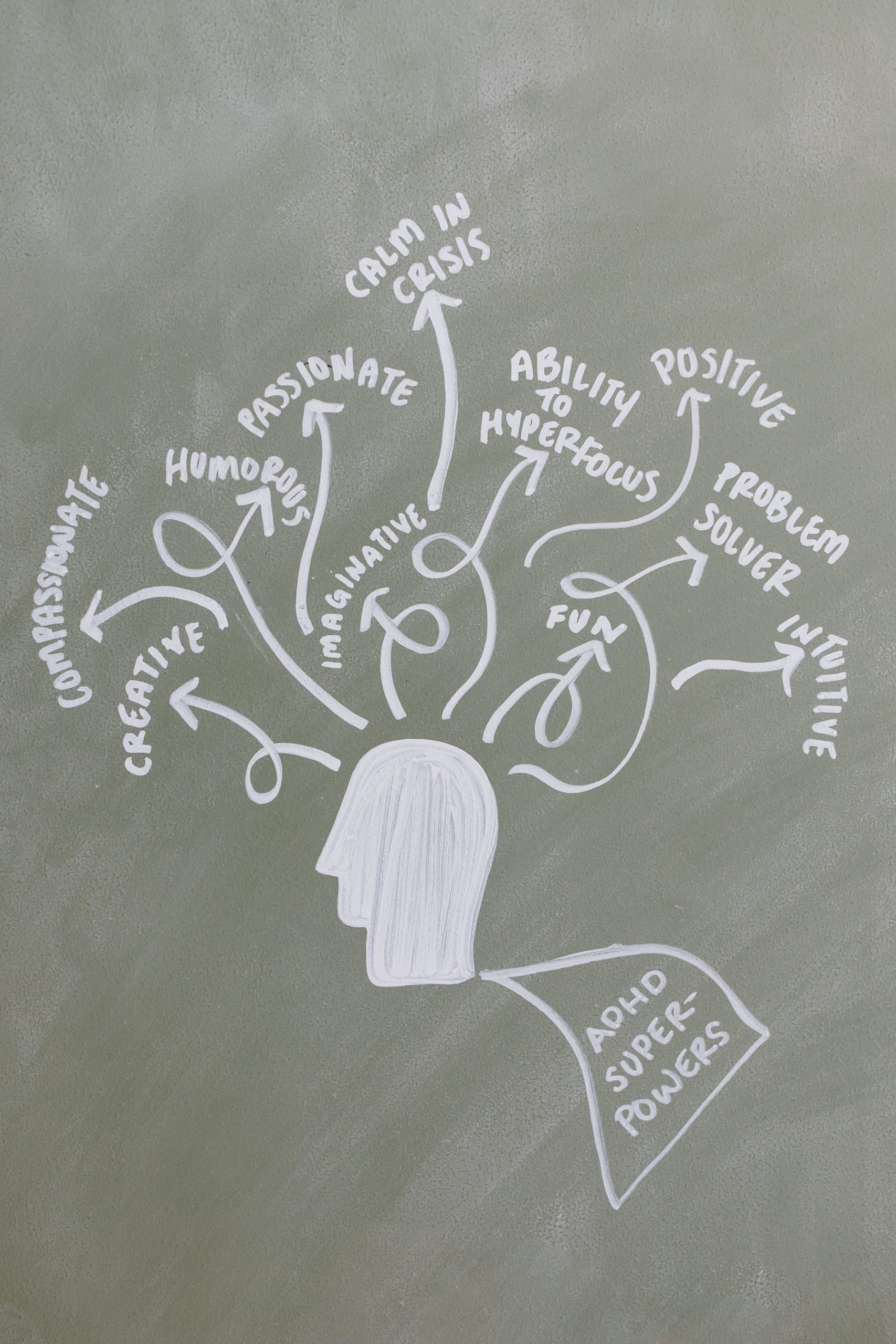
Many people report that as these patterns begin to change, they find it easier to use their strengths, remain focused and create consistency in their personal and professional lives.
The programme is suitable for individuals with a formal ADHD diagnosis as well as those who simply recognise ADHD-like symptom patterns in themselves.